
By calling this number, you consent to receive a follow-up text message from Erosion Control Direct if the call is missed
By calling this number, you consent to receive a follow-up text message from Erosion Control Direct if the call is missed
Accessories | Products
Accessories: Enhancing Your Erosion Control Projects
Accessories Products
Accessories: Enhancing Your Erosion Control Projects
Our Erosion Control Accessories
Explore Our Range of Accessories to Complement Your Erosion Control Project
Fencing Accessories
Enhance the effectiveness of your fence installations with our selection of high-quality accessories. Our comprehensive range of products is designed to secure and optimize your erosion control measures, ensuring durability and efficiency in any environment
GGS 632 Wire - GGS 632 wire consists of 6 x 12 10/11 gauge wires. The wires are woven into a stable network to provide rigidity. The fence is 32” wide by 330’ long. There are 6 horizontal wires and the vertical wire are on 12” spacing. Hinge joint construction is a minimum of 2.5 wraps. The zinc coating is commercial class. This product is used in construction of Georgia Type C Silt Fence. Each roll weighs 93 lbs.
GGS 939 Field Fence - features 6 horizontal wires with 12-inch vertical spacing, using 11 gauge top/bottom and 14.5 gauge filler wires, all with a minimum 60 ksi tensile strength. It utilizes a hinge joint construction with a minimum of 2.5 wraps and a Class 1 zinc coating. Each roll is 39 inches high and 330 feet long, weighing 60 lbs, ideal for durable silt fence construction
Metal T-Posts - GGS T-Post is hot rolled steel (ASTM A499) or new billet processing equivalent to A499 raw metal post. There is no anchor plate or paint or other coating.
Wood Stakes - Our nominal wood stakes are cut from Eastern Hardwood Trees and feature pencil point sharpening for easy installation. Available in various widths from 1.25” to 3” and lengths ranging from 2’ to 5’, these stakes offer versatility and durability for a variety of uses.
Bags
Maximize the efficiency of your material handling with our selection of high-quality bags
Bulk Bags - GGS Bulk bags are 35” x 35” x 40” with a 2.3” wide belt loop at each corner. The open top bag has a capacity of 3000 lbs. GGS Bulk Bags are manufactured with a woven geotextile made of 100% polypropylene fibers which are woven into a stable network such that the yarns retain their relative position.
Burlap Sand Bags - GGS Burlap Sand Bags are a woven geotextile made of 100% natural jute staple fibers. The yarns that make the burlap are undyed and unbleached. GGS Burlap Sand Bags are a biodegradable. The bags are 14” x 26” and have a tie string attached
Custom Burlap Bags - GGS Burlap is a woven geotextile made of 100% natural jute staple fibers. The yarns that make the burlap are undyed and unbleached. GGS burlap is a biodegradable cloth that is used in curing concrete.
7oz Burlap Bags - GGS 7oz Burlap are a woven geotextile made of 100% natural jute staple fibers. The yarns that make the burlap are undyed and unbleached. GGS 7oz Burlap are a biodegradable. The bags are 14” x 26” and have a tie string attached.
Rock Bags - GGS Rock Bag is a woven geotextile made of 100% polypropylene staple fibers. The yarns that make the bags are black in color. GGS Rock Bags are designed to be used in Erosion Control applications. They come with a tie string to enclose the bag.
Silt Bags - GGS Silt Bags are a practical solution for intercepting sediment runoff and debris at storm drains during construction. Made from durable, UV-resistant woven polypropylene, these temporary catch basin filters include dump straps for easy cleaning, lifting loops for removal, and a visual restraint cord to indicate when emptying is needed. They efficiently maintain clear drains and are designed to withstand a wide pH range.
Burlap
Optimize erosion control with our durable 7oz and 10oz Burlap Bags, designed for strength and reliability in any setting
7oz Burlap - GGS 7oz Burlap are a woven geotextile made of 100% natural jute staple fibers. The yarns that make the burlap are undyed and unbleached. GGS 7oz Burlap are a biodegradable
10oz Burlap - GGS 10oz Burlap are a woven geotextile made of 100% natural jute staple fibers (Hessian Cloth). The yarns that make the burlap are undyed and unbleached. GGS 10oz Burlap are a biodegradable.
Fixturing
Enhance your projects with our range of durable fastening solutions, designed for secure and efficient application across various environments
Cable Tie - GGS Zip Ties are Black Nylon ties used for multiple applications. Rated for holding capacity of 40lbs. Packaged 100/bag
Fabric Pin - GGS Fabric Pins are cold rolled steel. They are straight nail shaped with washer. They are used for securing Geotextiles and Erosion Blankets. They come in 12”, 18” and 24” lengths. There is no paint or other coatings on the staples.
Hog Ring - GGS Hog Rings are Bright Basic Steel Rings used for holding silt fence fabric to wire. GGS hog rings are Hill Shoat style rings with slant offset ends. Rings are 1.375 inches back to back and 0.812 inches tip to tip. They are sold in bulk 50 lb boxes.
P7 Ring - GGS P7 Rings are Galvanized Steel Rings used for holding silt fence fabric to wire. GGS P7 rings are “C” style rings with sharp slant pointed ends. The crown of the rings are 11/16” inches wide. Closed they are 9/32” in diameter. The rings are held together in sleeves with 50 rings per sleeve. They are sold in 2.5 lb boxes. There are 750 boxes per pallet.
Sod Staple (Type C) - GGS Sod Staples are cold rolled steel with a thickness of 0.105mm. They are “U” shaped to a size of 6” x 1” x 6”. There is no paint or other coatings on the staples.
PPE
Ensure the safety and health of your team with our selection of essential PPE accessories.
N95 NIOSH Masks
KN95 Masks
3-Ply Disposable Masks
Nitrile Gloves
6 Oz Hand Sanitizer
Multi Purpose Alcohol Wipes
Shoe Covers
Caps
Thermometers
Isolation Gowns
Need a Quotation?
Click below to speak with one of our professionals
Why Choose Erosion Control Direct?
Choosing Erosion Control Direct means partnering with experts in the field of erosion control. With more than 3 decades of experience, we specialize in providing high-quality products like silt fences and geotextile fabrics, tailored for both large construction projects and smaller landscaping needs.
Our commitment to excellence and sustainability guarantees that each product not only meets but surpasses industry standards. We prioritize environmental protection while ensuring your projects stay on time and within budget. Our products are both effective and environmentally friendly, helping you manage soil erosion, stabilize terrain, and foster healthy vegetation growth.
At Erosion Control Direct, we value strong client relationships. Our knowledgeable team is dedicated to offering expert advice to help you choose the best solutions for your erosion control challenges.
Known for our reliability, exceptional customer service, and commitment to environmental stewardship, Erosion Control Direct is your dependable partner in protecting your landscapes and construction sites from erosion.
Featured Accessories Articles
From the Experts: Navigating the Landscape of Erosion Control
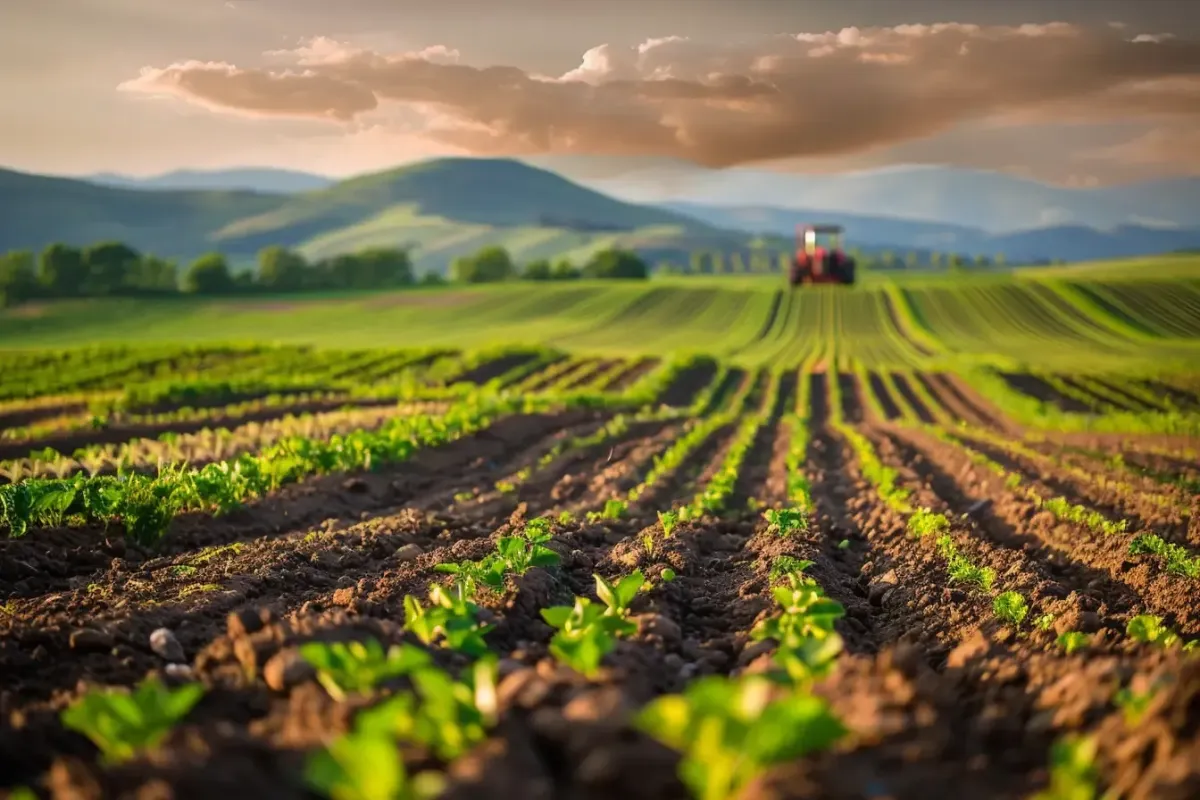
Protecting Farmland: Top Agricultural Erosion Control Solutions and Techniques
Agricultural land is particularly vulnerable to erosion due to the frequent disturbance of soil through plowing, planting, and harvesting. Effective erosion control is essential for maintaining soil health, ensuring sustainable crop production, and protecting water quality. This comprehensive guide explores top agricultural erosion control solutions and techniques, providing valuable insights for farmers, land managers, and conservationists.
When it comes to implementing erosion control measures, having access to high-quality erosion control products is crucial. These products form the foundation of any successful erosion management strategy, helping to prevent soil loss, protect water quality, and maintain site stability.
Understanding the Importance of Erosion Control in Agriculture
Erosion control in agriculture is vital for several reasons:
Preserving Soil Fertility: Erosion can strip away nutrient-rich topsoil, reducing soil fertility and crop yields.
Protecting Water Quality: Sediment runoff from agricultural fields can carry pollutants into nearby water bodies, harming aquatic ecosystems.
Preventing Infrastructure Damage: Erosion can undermine the stability of farm infrastructure such as roads, irrigation systems, and buildings.
Ensuring Regulatory Compliance: Many jurisdictions require erosion control measures to minimize environmental impact and protect water resources.
Maria-Helena Semedo, Deputy Director-General of the Food and Agriculture Organization (FAO), emphasizes the importance of soil conservation:
“Soils are the basis of life, ninety-five percent of our food comes from the soil. About a third of the world’s soil has already been degraded. Effective erosion control is crucial for maintaining soil health and ensuring sustainable food production.”
Top Agricultural Erosion Control Solutions
1. Contour Plowing
Contour plowing involves plowing along the contour lines of a slope, creating furrows that run perpendicular to the slope. This technique helps to:
Reduce runoff velocity
Increase water infiltration
Minimize soil erosion
Pros:
Cost-effective
Enhances water retention
Reduces soil erosion
Cons:
Requires careful planning and execution
May not be suitable for all types of terrain
2. Terracing
Terracing involves creating a series of level steps on a slope, reducing its overall gradient and slowing water runoff. This technique is particularly effective for steep landscapes.
Pros:
Reduces slope gradient
Increases water infiltration
Prevents soil erosion
Cons:
Labor-intensive to construct
Requires ongoing maintenance
3. Cover Crops
Cover crops are plants grown primarily to protect and improve soil health. They help to:
Reduce soil erosion
Improve soil structure
Enhance nutrient cycling
Pros:
Enhances soil fertility
Suppresses weeds
Provides habitat for beneficial insects
Cons:
Requires additional management
May compete with cash crops for resources
4. Riparian Buffers
Riparian buffers are vegetated areas along waterways that help to filter runoff, stabilize banks, and protect water quality. They are particularly effective for:
Reducing sediment and nutrient runoff
Enhancing biodiversity
Stabilizing stream banks
Pros:
Improves water quality
Provides wildlife habitat
Reduces erosion
Cons:
Requires land set-aside
Needs regular maintenance
5. No-Till Farming
No-till farming involves planting crops without disturbing the soil through tillage. This technique helps to:
Preserve soil structure
Increase organic matter
Reduce erosion
Pros:
Reduces soil erosion
Enhances soil health
Saves time and labor
Cons:
May require specialized equipment
Can lead to increased reliance on herbicides
6. Grass Waterways
Grass waterways are natural or constructed channels planted with grass to convey surface water across farmland without causing soil erosion.
Pros:
Reduces gully erosion
Improves water quality
Provides wildlife habitat
Cons:
Requires land set-aside
Needs regular maintenance
7. Windbreaks
Windbreaks are rows of trees or shrubs planted to reduce wind speed and protect soil from wind erosion.
Pros:
Reduces wind erosion
Provides habitat for wildlife
Improves microclimate for crops
Cons:
Requires land set-aside
Needs regular maintenance
8. Mulching
Mulching involves applying a layer of organic or inorganic material to the soil surface to protect it from erosion and improve soil health.
Pros:
Reduces soil erosion
Conserves soil moisture
Suppresses weeds
Cons:
Requires regular replacement
Can be labor-intensive
Factors to Consider When Choosing Erosion Control Solutions
Selecting the right erosion control solution depends on various factors specific to your agricultural operation. Consider the following when making your decision:
Site Characteristics: Slope gradient, soil type, and climate all play crucial roles in determining the most effective erosion control method.
Crop Type: Different crops have varying erosion control needs and compatibility with certain techniques.
Budget: Consider both initial installation costs and long-term maintenance expenses.
Environmental Impact: Some solutions are more eco-friendly than others. Consider the environmental implications of your choice.
Regulatory Requirements: Ensure your chosen solution complies with local, state, and federal regulations.
Maintenance Requirements: Consider the ongoing maintenance needs of each solution.
Expert Perspectives on Agricultural Erosion Control
To provide a well-rounded view of agricultural erosion control solutions, let’s consider some expert opinions:
George Monbiot, an environmental activist and author, highlights the critical role of soil conservation:
“Almost all other issues are superficial by comparison to soil loss. So why don’t we talk about it? Soil is an almost magical substance, a living system that transforms the materials it encounters.”
Case Studies: Successful Agricultural Erosion Control Projects
Case Study 1: Sustainable Farming in Iowa
Location: Family farm in Iowa
Challenge: Severe soil erosion due to intensive farming practices
Solution: Implementation of contour plowing, cover crops, and riparian buffers
Result: Significant reduction in soil erosion, improved soil health, and enhanced water quality
Case Study 2: Vineyard Erosion Control in California
Location: Vineyard in Napa Valley, California
Challenge: Soil erosion on steep vineyard slopes
Solution: Installation of terracing, grass waterways, and windbreaks
Result: Stabilized slopes, reduced soil erosion, and improved vineyard productivity
Comparative Analysis of Agricultural Erosion Control Solutions
To help you make an informed decision, let’s compare the top agricultural erosion control solutions based on key factors:
Best Practices for Implementing Agricultural Erosion Control Solutions
Regardless of the solution you choose, following these best practices will enhance the effectiveness of your erosion control efforts:
Conduct a Thorough Site Assessment: Understand your site’s specific erosion challenges before selecting a solution.
Implement Early: Don’t wait for erosion to become severe before taking action.
Use a Multi-Faceted Approach: Combining different methods often yields the best results.
Regular Maintenance: Inspect and maintain your erosion control measures regularly.
Monitor Effectiveness: Keep track of how well your chosen solution is performing and make adjustments as needed.
Consider Long-Term Impacts: Choose solutions that not only address immediate concerns but also provide long-term benefits.
Consult with Experts: When in doubt, seek advice from erosion control professionals.
Innovative Trends in Agricultural Erosion Control
The field of agricultural erosion control is constantly evolving, with new technologies and methods emerging. Some innovative trends to watch include:
Bioengineering Techniques: Combining living plants with structural elements for natural erosion control.
Smart Erosion Monitoring Systems: Using sensors and data analytics to predict and prevent erosion.
3D-Printed Erosion Control Structures: Custom-designed solutions for unique erosion challenges.
Nanotechnology in Erosion Control Materials: Enhancing the performance of traditional erosion control products.
The Future of Agricultural Erosion Control
As climate change continues to impact our environment, the importance of effective erosion control will only grow. Future solutions will likely focus on:
Increased use of sustainable and biodegradable materials
Integration of erosion control with broader ecosystem restoration efforts
Advanced modeling and prediction tools for proactive erosion management
Development of multi-functional erosion control solutions that address multiple environmental challenges simultaneously
Conclusion: Making the Right Choice for Your Agricultural Operation
Choosing the best erosion control solution for your agricultural operation requires careful consideration of various factors, including site characteristics, crop type, budget, and long-term goals. By understanding the strengths and limitations of each option and considering expert advice, you can make an informed decision that will effectively protect your farmland from erosion.
Remember, the most effective erosion control strategies often involve a combination of methods tailored to your specific needs. Don’t hesitate to consult with agricultural extension services or erosion control professionals to develop a comprehensive plan for your farm.
For more information on selecting the best erosion control solutions for your specific needs, be sure to review our comprehensive guide. Additionally, understanding slope stabilization solutions can help you address erosion issues on sloped agricultural land more effectively.
Q&A
Q: What are the best methods for erosion control in agriculture?
A: The best methods include contour plowing, terracing, cover crops, no-till farming, crop rotation, buffer strips, and mulching. The most effective approach often combines multiple methods.
Q: How does crop rotation help prevent erosion?
A: Crop rotation helps prevent erosion by improving soil structure, increasing organic matter, and providing varied root systems that stabilize soil at different depths.
Q: What is contour farming and how does it prevent erosion?
A: Contour farming involves plowing and planting across the slope rather than up and down. This practice creates ridges that slow water runoff and increase infiltration, reducing erosion.
Q: How effective are cover crops in preventing soil erosion?
A: Cover crops are highly effective in preventing soil erosion. They protect the soil surface, improve soil structure, increase water infiltration, and reduce runoff.
Q: What is the role of buffer strips in agricultural erosion control?
A: Buffer strips are areas of permanent vegetation between croplands and water bodies. They filter runoff, trap sediment, absorb nutrients, and stabilize stream banks.
Q: How does no-till farming help in erosion control?
A: No-till farming helps control erosion by minimizing soil disturbance, maintaining crop residue on the surface, improving soil structure, and increasing water infiltration.
Q: What are some natural ways to prevent erosion on farmland?
A: Natural ways to prevent erosion include planting cover crops, maintaining vegetative cover, using mulch, implementing crop rotation, and creating buffer zones.
Q: How can terracing help control erosion on sloped farmland?
A: Terracing helps control erosion on slopes by reducing the length of the slope, slowing water runoff, and increasing water infiltration.
Q: What role do windbreaks play in agricultural erosion control?
A: Windbreaks reduce wind speed, which helps prevent wind erosion. They also trap snow, increase moisture retention, and improve crop yields in adjacent fields.
Q: How can farmers assess the erosion risk on their land?
A: Farmers can assess erosion risk by considering factors such as slope, soil type, rainfall patterns, and current land use. Tools like the Revised Universal Soil Loss Equation (RUSLE) can help quantify potential soil loss.
Get Expert Erosion Control Solutions
Implementing the right erosion control solutions is crucial for protecting your property and the environment. At Erosion Control Direct, we’re committed to providing you with top-quality products and expert advice to address your specific erosion control needs. For personalized assistance and product recommendations, don’t hesitate to reach out:
• Call us at (888) 920-5005 to speak with one of our erosion control experts.
• Visit our website at https://erosioncontroldirect.com to browse our product range or submit an online inquiry.
• For detailed quotations, email us at [email protected].
Let us help you find the perfect erosion control solution for your project. Contact Erosion Control Direct today and take the first step towards effective soil stabilization and environmental protection.

Protecting Farmland: Top Agricultural Erosion Control Solutions and Techniques
Agricultural land is particularly vulnerable to erosion due to the frequent disturbance of soil through plowing, planting, and harvesting. Effective erosion control is essential for maintaining soil health, ensuring sustainable crop production, and protecting water quality. This comprehensive guide explores top agricultural erosion control solutions and techniques, providing valuable insights for farmers, land managers, and conservationists.
When it comes to implementing erosion control measures, having access to high-quality erosion control products is crucial. These products form the foundation of any successful erosion management strategy, helping to prevent soil loss, protect water quality, and maintain site stability.
Understanding the Importance of Erosion Control in Agriculture
Erosion control in agriculture is vital for several reasons:
Preserving Soil Fertility: Erosion can strip away nutrient-rich topsoil, reducing soil fertility and crop yields.
Protecting Water Quality: Sediment runoff from agricultural fields can carry pollutants into nearby water bodies, harming aquatic ecosystems.
Preventing Infrastructure Damage: Erosion can undermine the stability of farm infrastructure such as roads, irrigation systems, and buildings.
Ensuring Regulatory Compliance: Many jurisdictions require erosion control measures to minimize environmental impact and protect water resources.
Maria-Helena Semedo, Deputy Director-General of the Food and Agriculture Organization (FAO), emphasizes the importance of soil conservation:
“Soils are the basis of life, ninety-five percent of our food comes from the soil. About a third of the world’s soil has already been degraded. Effective erosion control is crucial for maintaining soil health and ensuring sustainable food production.”
Top Agricultural Erosion Control Solutions
1. Contour Plowing
Contour plowing involves plowing along the contour lines of a slope, creating furrows that run perpendicular to the slope. This technique helps to:
Reduce runoff velocity
Increase water infiltration
Minimize soil erosion
Pros:
Cost-effective
Enhances water retention
Reduces soil erosion
Cons:
Requires careful planning and execution
May not be suitable for all types of terrain
2. Terracing
Terracing involves creating a series of level steps on a slope, reducing its overall gradient and slowing water runoff. This technique is particularly effective for steep landscapes.
Pros:
Reduces slope gradient
Increases water infiltration
Prevents soil erosion
Cons:
Labor-intensive to construct
Requires ongoing maintenance
3. Cover Crops
Cover crops are plants grown primarily to protect and improve soil health. They help to:
Reduce soil erosion
Improve soil structure
Enhance nutrient cycling
Pros:
Enhances soil fertility
Suppresses weeds
Provides habitat for beneficial insects
Cons:
Requires additional management
May compete with cash crops for resources
4. Riparian Buffers
Riparian buffers are vegetated areas along waterways that help to filter runoff, stabilize banks, and protect water quality. They are particularly effective for:
Reducing sediment and nutrient runoff
Enhancing biodiversity
Stabilizing stream banks
Pros:
Improves water quality
Provides wildlife habitat
Reduces erosion
Cons:
Requires land set-aside
Needs regular maintenance
5. No-Till Farming
No-till farming involves planting crops without disturbing the soil through tillage. This technique helps to:
Preserve soil structure
Increase organic matter
Reduce erosion
Pros:
Reduces soil erosion
Enhances soil health
Saves time and labor
Cons:
May require specialized equipment
Can lead to increased reliance on herbicides
6. Grass Waterways
Grass waterways are natural or constructed channels planted with grass to convey surface water across farmland without causing soil erosion.
Pros:
Reduces gully erosion
Improves water quality
Provides wildlife habitat
Cons:
Requires land set-aside
Needs regular maintenance
7. Windbreaks
Windbreaks are rows of trees or shrubs planted to reduce wind speed and protect soil from wind erosion.
Pros:
Reduces wind erosion
Provides habitat for wildlife
Improves microclimate for crops
Cons:
Requires land set-aside
Needs regular maintenance
8. Mulching
Mulching involves applying a layer of organic or inorganic material to the soil surface to protect it from erosion and improve soil health.
Pros:
Reduces soil erosion
Conserves soil moisture
Suppresses weeds
Cons:
Requires regular replacement
Can be labor-intensive
Factors to Consider When Choosing Erosion Control Solutions
Selecting the right erosion control solution depends on various factors specific to your agricultural operation. Consider the following when making your decision:
Site Characteristics: Slope gradient, soil type, and climate all play crucial roles in determining the most effective erosion control method.
Crop Type: Different crops have varying erosion control needs and compatibility with certain techniques.
Budget: Consider both initial installation costs and long-term maintenance expenses.
Environmental Impact: Some solutions are more eco-friendly than others. Consider the environmental implications of your choice.
Regulatory Requirements: Ensure your chosen solution complies with local, state, and federal regulations.
Maintenance Requirements: Consider the ongoing maintenance needs of each solution.
Expert Perspectives on Agricultural Erosion Control
To provide a well-rounded view of agricultural erosion control solutions, let’s consider some expert opinions:
George Monbiot, an environmental activist and author, highlights the critical role of soil conservation:
“Almost all other issues are superficial by comparison to soil loss. So why don’t we talk about it? Soil is an almost magical substance, a living system that transforms the materials it encounters.”
Case Studies: Successful Agricultural Erosion Control Projects
Case Study 1: Sustainable Farming in Iowa
Location: Family farm in Iowa
Challenge: Severe soil erosion due to intensive farming practices
Solution: Implementation of contour plowing, cover crops, and riparian buffers
Result: Significant reduction in soil erosion, improved soil health, and enhanced water quality
Case Study 2: Vineyard Erosion Control in California
Location: Vineyard in Napa Valley, California
Challenge: Soil erosion on steep vineyard slopes
Solution: Installation of terracing, grass waterways, and windbreaks
Result: Stabilized slopes, reduced soil erosion, and improved vineyard productivity
Comparative Analysis of Agricultural Erosion Control Solutions
To help you make an informed decision, let’s compare the top agricultural erosion control solutions based on key factors:
Best Practices for Implementing Agricultural Erosion Control Solutions
Regardless of the solution you choose, following these best practices will enhance the effectiveness of your erosion control efforts:
Conduct a Thorough Site Assessment: Understand your site’s specific erosion challenges before selecting a solution.
Implement Early: Don’t wait for erosion to become severe before taking action.
Use a Multi-Faceted Approach: Combining different methods often yields the best results.
Regular Maintenance: Inspect and maintain your erosion control measures regularly.
Monitor Effectiveness: Keep track of how well your chosen solution is performing and make adjustments as needed.
Consider Long-Term Impacts: Choose solutions that not only address immediate concerns but also provide long-term benefits.
Consult with Experts: When in doubt, seek advice from erosion control professionals.
Innovative Trends in Agricultural Erosion Control
The field of agricultural erosion control is constantly evolving, with new technologies and methods emerging. Some innovative trends to watch include:
Bioengineering Techniques: Combining living plants with structural elements for natural erosion control.
Smart Erosion Monitoring Systems: Using sensors and data analytics to predict and prevent erosion.
3D-Printed Erosion Control Structures: Custom-designed solutions for unique erosion challenges.
Nanotechnology in Erosion Control Materials: Enhancing the performance of traditional erosion control products.
The Future of Agricultural Erosion Control
As climate change continues to impact our environment, the importance of effective erosion control will only grow. Future solutions will likely focus on:
Increased use of sustainable and biodegradable materials
Integration of erosion control with broader ecosystem restoration efforts
Advanced modeling and prediction tools for proactive erosion management
Development of multi-functional erosion control solutions that address multiple environmental challenges simultaneously
Conclusion: Making the Right Choice for Your Agricultural Operation
Choosing the best erosion control solution for your agricultural operation requires careful consideration of various factors, including site characteristics, crop type, budget, and long-term goals. By understanding the strengths and limitations of each option and considering expert advice, you can make an informed decision that will effectively protect your farmland from erosion.
Remember, the most effective erosion control strategies often involve a combination of methods tailored to your specific needs. Don’t hesitate to consult with agricultural extension services or erosion control professionals to develop a comprehensive plan for your farm.
For more information on selecting the best erosion control solutions for your specific needs, be sure to review our comprehensive guide. Additionally, understanding slope stabilization solutions can help you address erosion issues on sloped agricultural land more effectively.
Q&A
Q: What are the best methods for erosion control in agriculture?
A: The best methods include contour plowing, terracing, cover crops, no-till farming, crop rotation, buffer strips, and mulching. The most effective approach often combines multiple methods.
Q: How does crop rotation help prevent erosion?
A: Crop rotation helps prevent erosion by improving soil structure, increasing organic matter, and providing varied root systems that stabilize soil at different depths.
Q: What is contour farming and how does it prevent erosion?
A: Contour farming involves plowing and planting across the slope rather than up and down. This practice creates ridges that slow water runoff and increase infiltration, reducing erosion.
Q: How effective are cover crops in preventing soil erosion?
A: Cover crops are highly effective in preventing soil erosion. They protect the soil surface, improve soil structure, increase water infiltration, and reduce runoff.
Q: What is the role of buffer strips in agricultural erosion control?
A: Buffer strips are areas of permanent vegetation between croplands and water bodies. They filter runoff, trap sediment, absorb nutrients, and stabilize stream banks.
Q: How does no-till farming help in erosion control?
A: No-till farming helps control erosion by minimizing soil disturbance, maintaining crop residue on the surface, improving soil structure, and increasing water infiltration.
Q: What are some natural ways to prevent erosion on farmland?
A: Natural ways to prevent erosion include planting cover crops, maintaining vegetative cover, using mulch, implementing crop rotation, and creating buffer zones.
Q: How can terracing help control erosion on sloped farmland?
A: Terracing helps control erosion on slopes by reducing the length of the slope, slowing water runoff, and increasing water infiltration.
Q: What role do windbreaks play in agricultural erosion control?
A: Windbreaks reduce wind speed, which helps prevent wind erosion. They also trap snow, increase moisture retention, and improve crop yields in adjacent fields.
Q: How can farmers assess the erosion risk on their land?
A: Farmers can assess erosion risk by considering factors such as slope, soil type, rainfall patterns, and current land use. Tools like the Revised Universal Soil Loss Equation (RUSLE) can help quantify potential soil loss.
Get Expert Erosion Control Solutions
Implementing the right erosion control solutions is crucial for protecting your property and the environment. At Erosion Control Direct, we’re committed to providing you with top-quality products and expert advice to address your specific erosion control needs. For personalized assistance and product recommendations, don’t hesitate to reach out:
• Call us at (888) 920-5005 to speak with one of our erosion control experts.
• Visit our website at https://erosioncontroldirect.com to browse our product range or submit an online inquiry.
• For detailed quotations, email us at [email protected].
Let us help you find the perfect erosion control solution for your project. Contact Erosion Control Direct today and take the first step towards effective soil stabilization and environmental protection.
FAQs
Your frequently asked accessories related questions answered
What types of fencing accessories are available for erosion control projects?
We offer a variety of fencing accessories designed to enhance fence installations, including GGS 632 Wire and GGS 939 Field Fence, which provide robust support for constructing durable silt fences.
How do bulk bags contribute to erosion control?
GGS Bulk Bags are used to transport and deploy large quantities of materials like sand, soil, or gravel, which are crucial for stabilizing areas prone to erosion and managing sediment on site.
What are the benefits of using burlap bags in erosion control?
Burlap bags, including our 7oz and 10oz options, are biodegradable and effective for adding structure to erosion-prone areas, supporting plant growth, and naturally integrating into the soil over time.
Can silt bags be reused in erosion control projects?
GGS Silt Bags are designed for temporary use to capture sediment during construction but can be cleaned and reused as long as the fabric integrity is maintained. Regular inspection and maintenance are crucial to their effective reuse.
What makes rock bags suitable for erosion control?
Our GGS Rock Bags are made from robust polypropylene, making them ideal for heavy-duty applications where stabilization of shorelines or riverbanks is necessary due to their durability and resistance to environmental factors.
How should wood stakes be used in securing erosion control fabrics?
Wood stakes, like our Eastern Hardwood stakes, are essential for anchoring erosion control fabrics and blankets in place. They should be driven into the ground at intervals along the edge of the fabric to ensure it stays put even under harsh conditions.
What types of cables and ties are recommended for securing geotextiles?
For securing geotextiles, we recommend using durable Cable Ties and Fabric Pins, which provide strong hold and are easy to install, ensuring that the fabric remains in place even in high-flow areas.
How do I choose the right size and type of erosion control accessory for my project?
Selecting the right size and type depends on the project's specific needs. Consider the area size, the type of soil, expected weather conditions, and the overall purpose of the erosion control measures. Our team is available to provide expert advice to help you choose the most suitable products.
What role do metal T-posts and hog rings play in erosion control installations?
Metal T-Posts provide sturdy vertical support for fencing materials, while Hog Rings are used to secure joint points in fencing or fabric installations, ensuring that structures withstand environmental stresses and remain functional.
Are there environmentally friendly options available among your erosion control accessories?
Yes, many of our products, including our burlap bags and erosion control blankets, are made from natural or recyclable materials, offering sustainable options that contribute to environmental protection.

Facebook